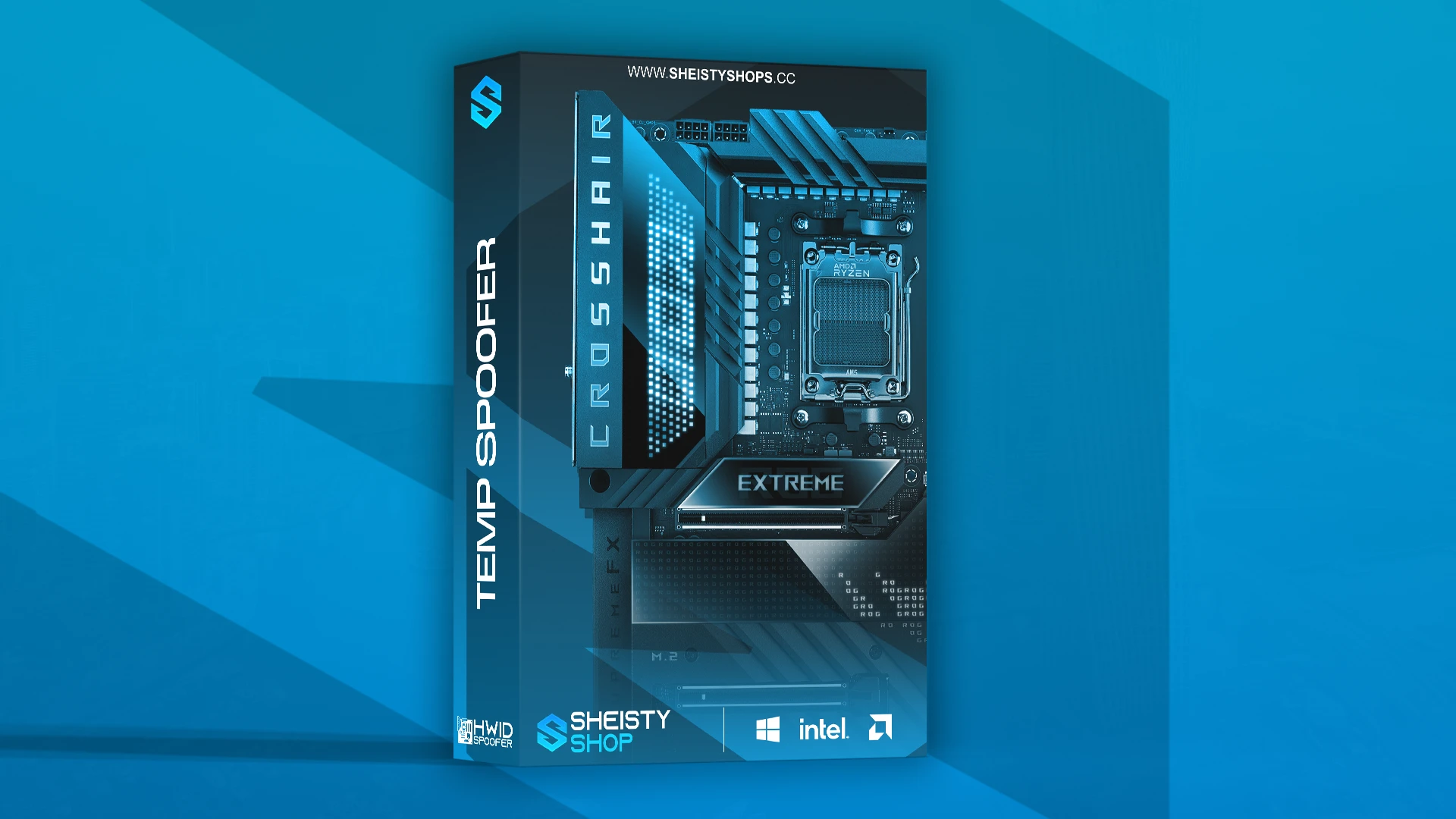
What Is an HWID Temporary Spoofer?
An HWID temporary spoofer is a software-based solution that temporarily changes or masks a system’s hardware identifiers (HWIDs). These identifiers are commonly used by anti-cheat systems to enforce hardware bans. Unlike permanent spoofers, temporary spoofers apply changes only for the current session or until a reboot.
Temp spoofers are commonly used by players who want to return unbanned, test compatibility, or avoid making long-term changes to their system.
How HWID Temp Spoofing Works
Temporary spoofing works by intercepting and modifying how hardware identifiers are presented to the operating system and applications. Instead of permanently rewriting identifiers, a temp spoofer creates a session-based spoofed profile that disappears after reboot or shutdown.
This approach offers flexibility while reducing long-term system risk.
Temporary vs Permanent HWID Spoofers
Understanding the difference is critical:
Temporary HWID Spoofer
- Session-based spoofing
- No permanent system changes
- Ideal for testing or short-term use
- Requires re-spoofing after reboot
Permanent HWID Spoofer
- Persistent spoofing across reboots
- Higher setup complexity
- Better for long-term ban prevention
- Often paired with firmware-level solutions
Choosing between the two depends on your use case, risk tolerance, and desired persistence.
When Should You Use a Temp HWID Spoofer?
A temporary HWID spoofer is ideal if you:
- Were recently hardware banned and need to return unbanned
- Want to test compatibility before committing to permanent spoofing
- Prefer minimal system modification
- Need a fast, reversible solution
Many users start with a temp spoofer before upgrading to more persistent options.
Is HWID Temp Spoofing Safe?
When sourced from a reputable provider, temp spoofers are generally considered safer than permanent modifications because:
- No firmware flashing is required
- Changes are reversible
- System integrity remains intact
However, quality matters. Poorly made spoofers can cause instability or detection.
Undetected Status and Reliability
Modern HWID temp spoofers are designed with stealth and detection avoidance in mind. This includes clean identifier masking, frequent updates, and compatibility across supported platforms.
No spoofer can guarantee permanent safety, but high-quality solutions significantly reduce detection risk when used correctly.
Final Thoughts
HWID temporary spoofers offer a powerful, flexible way to bypass hardware bans and return unbanned without committing to permanent system changes. For users seeking speed, safety, and reversibility, temp spoofing remains one of the most popular entry points into hardware identity protection.
Always prioritize trusted solutions, stay updated, and understand the limits of temporary spoofing before use.